Stitch A Pose
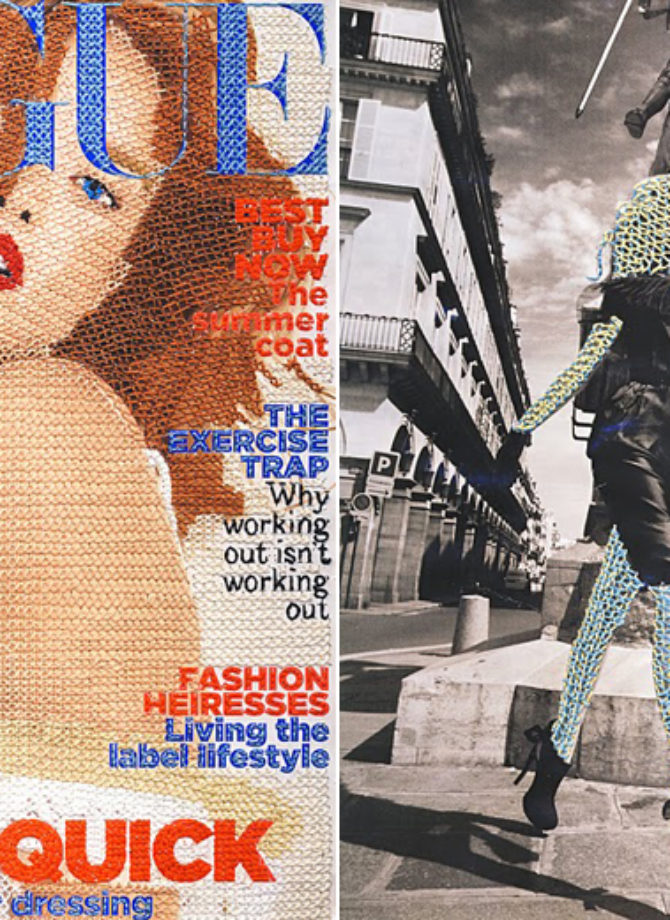
Inspired by transforming mass produced items into unique and handmade works of...
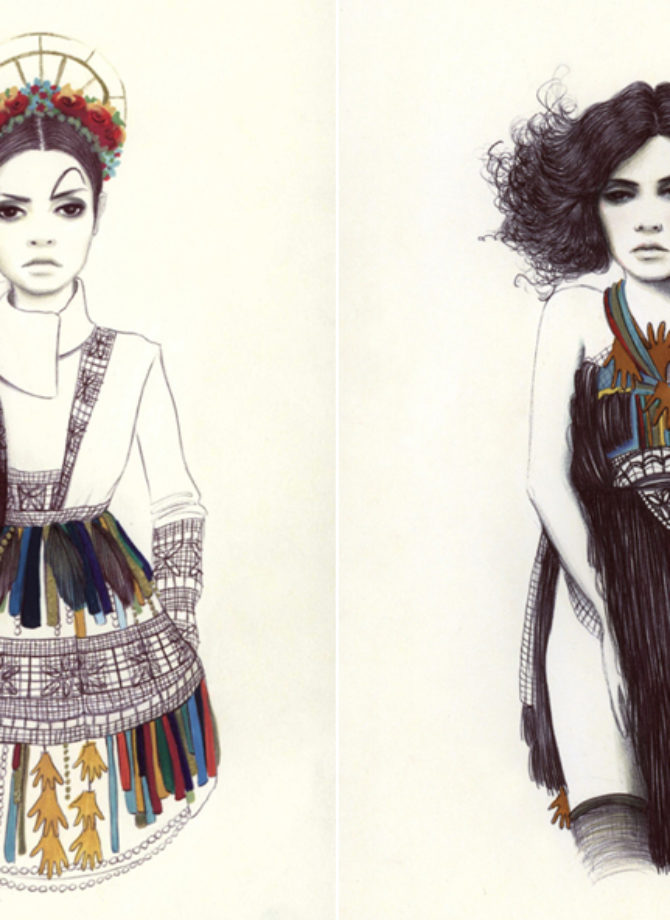
I absolutely adore Brazilian artist and fashion student Camila do Rosário‘s work....
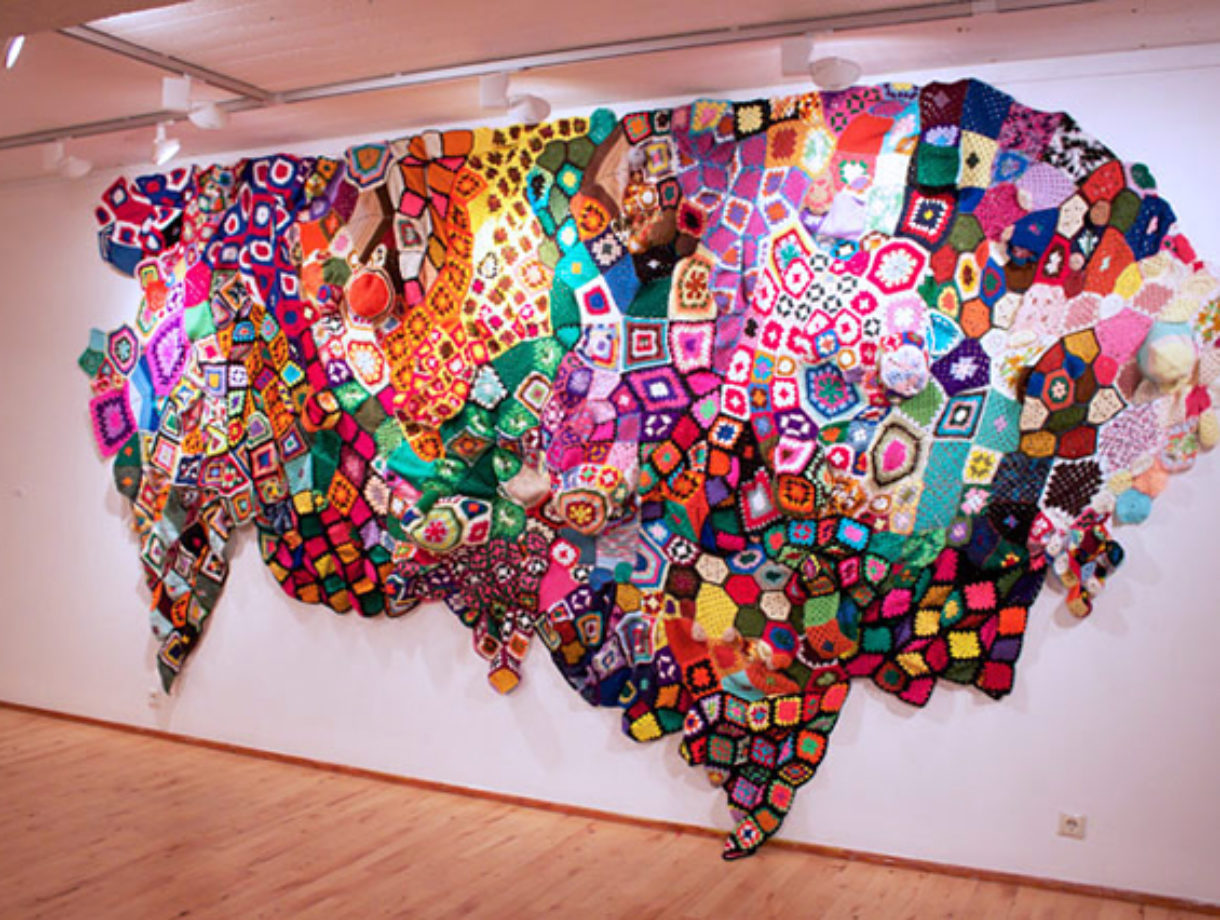
San Francisco artist Sarah Applebaum‘s installations and sculptures, made from afghans, vintage blankets, felt, and yarn, are so colorfully explosive and psychedelically brilliant.
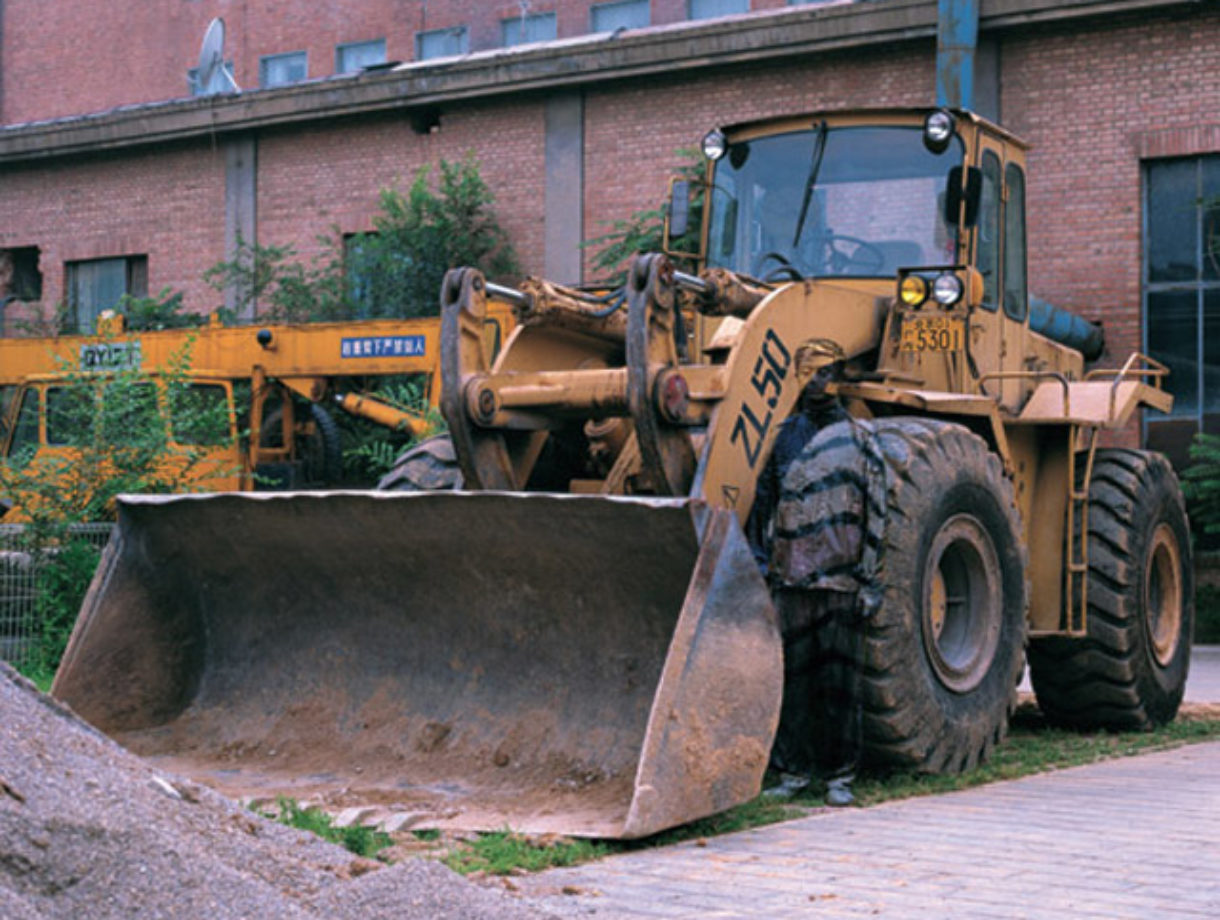
Chinese artist Liu Bolin camouflages himself into any surroundings with paint. It can take him up to 10 hours for a single shot. WOW!
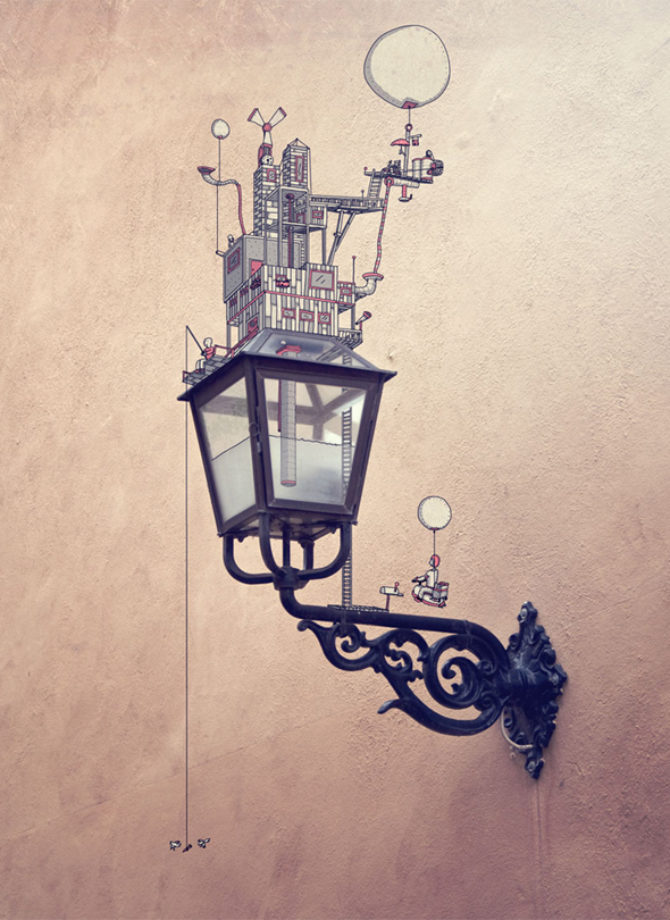
Swedish artist Johan Thörnqvist adds the most detailed city and character illustrations...
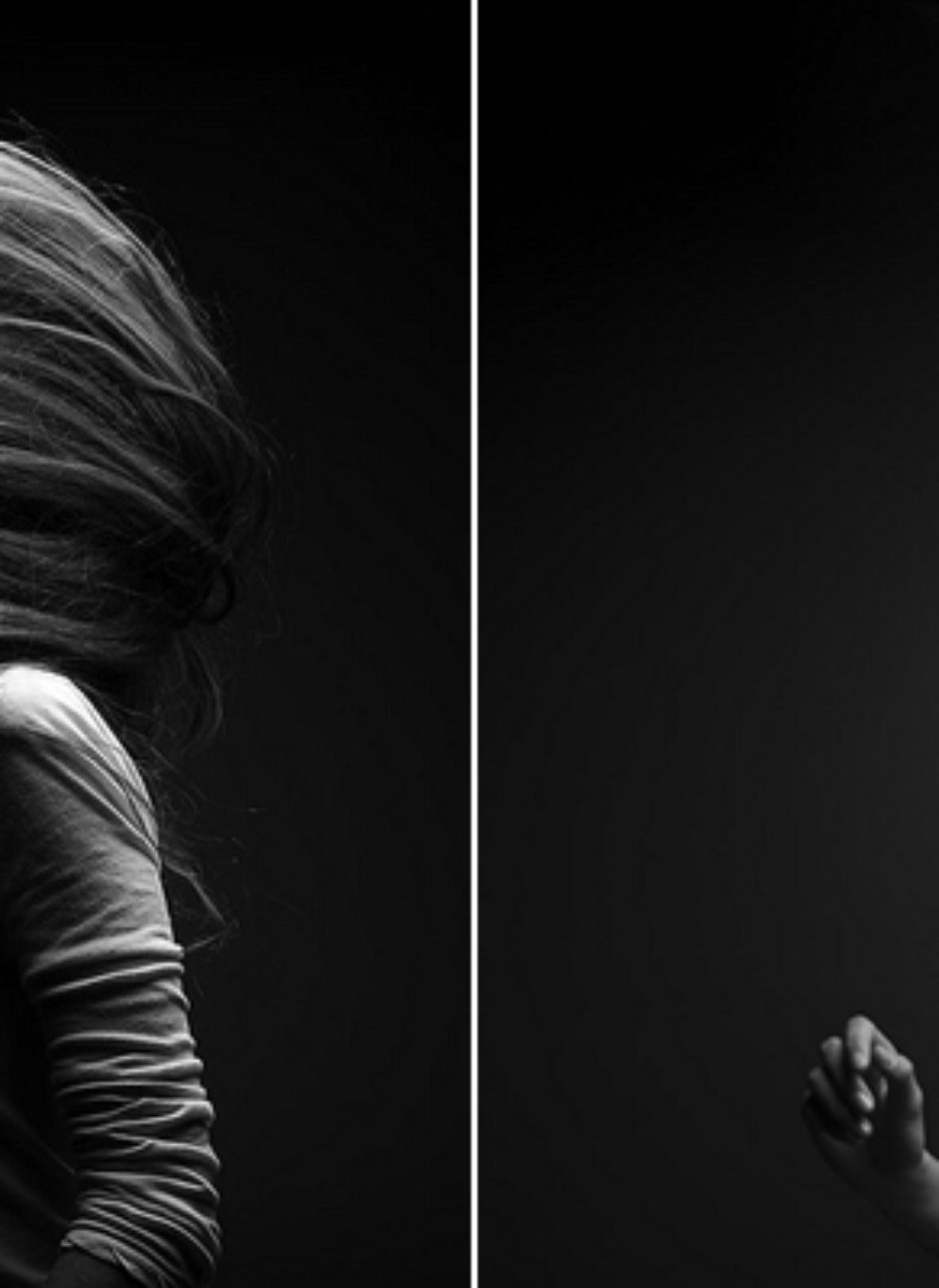
Sometimes it just feels so good to whip your hair back and forth . . . . (photo series by Marc Laroche)
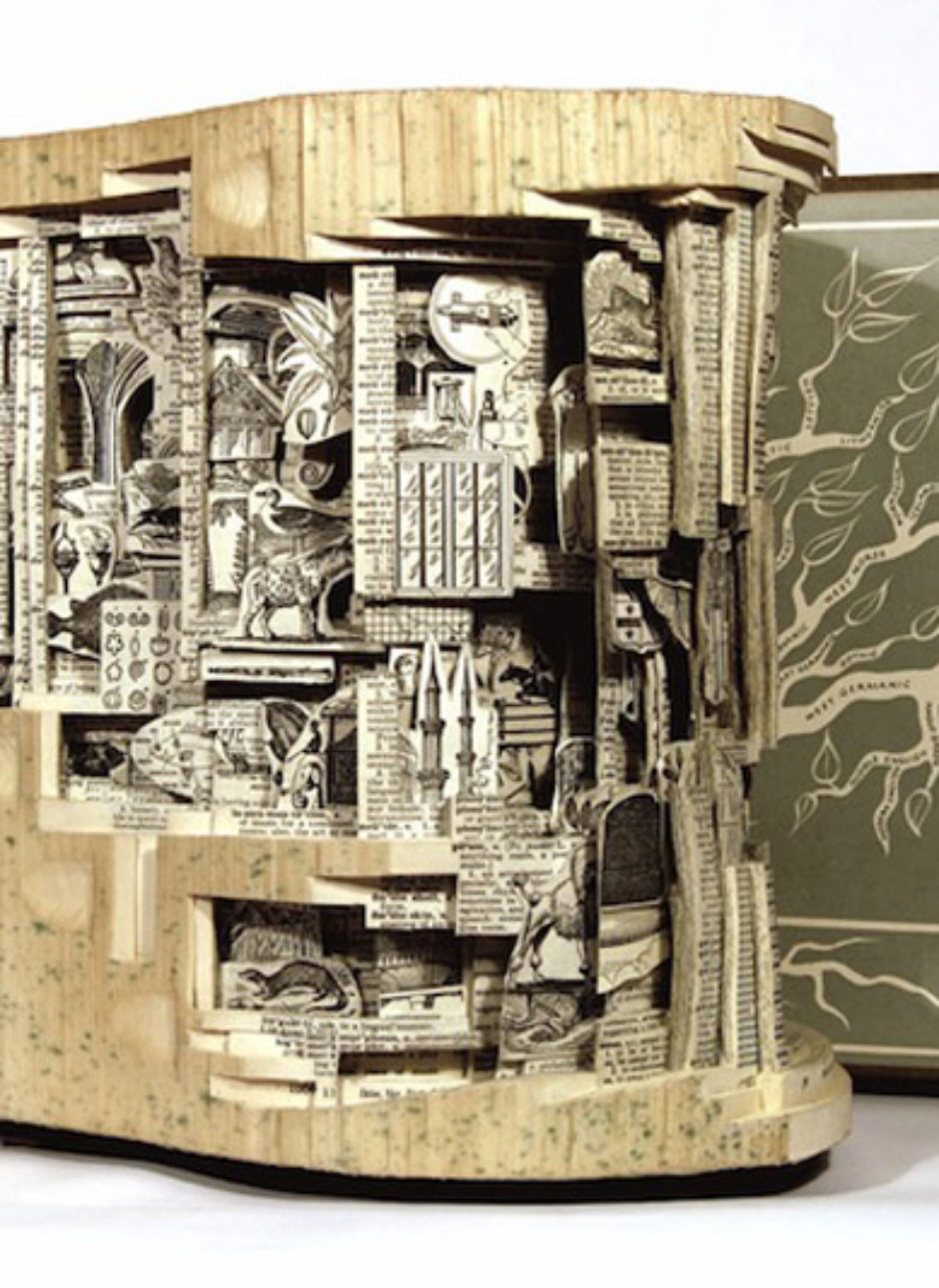
Artist Brian Dettmer alters pre-existing books one page at a time using knives, tweezers and surgical tools. He begins by sealing the books edges, creating an enclosed vessel full of unearthed potential. Nothing inside the old…
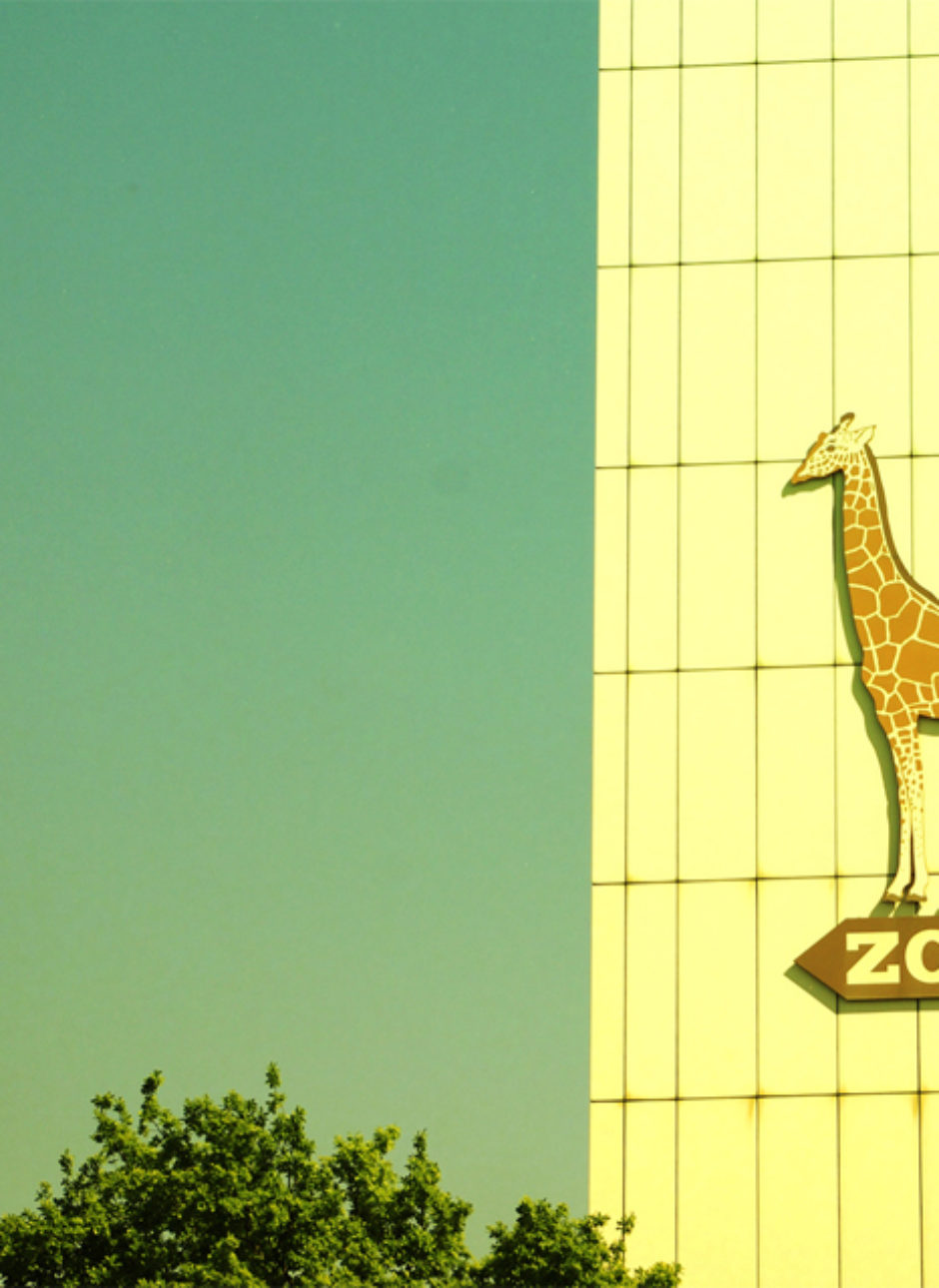
Self-taught German photographer Matthias Heiderich’s photos of Berlin are so appealing. I can’t stop staring at the colors and lines. Beautiful!!
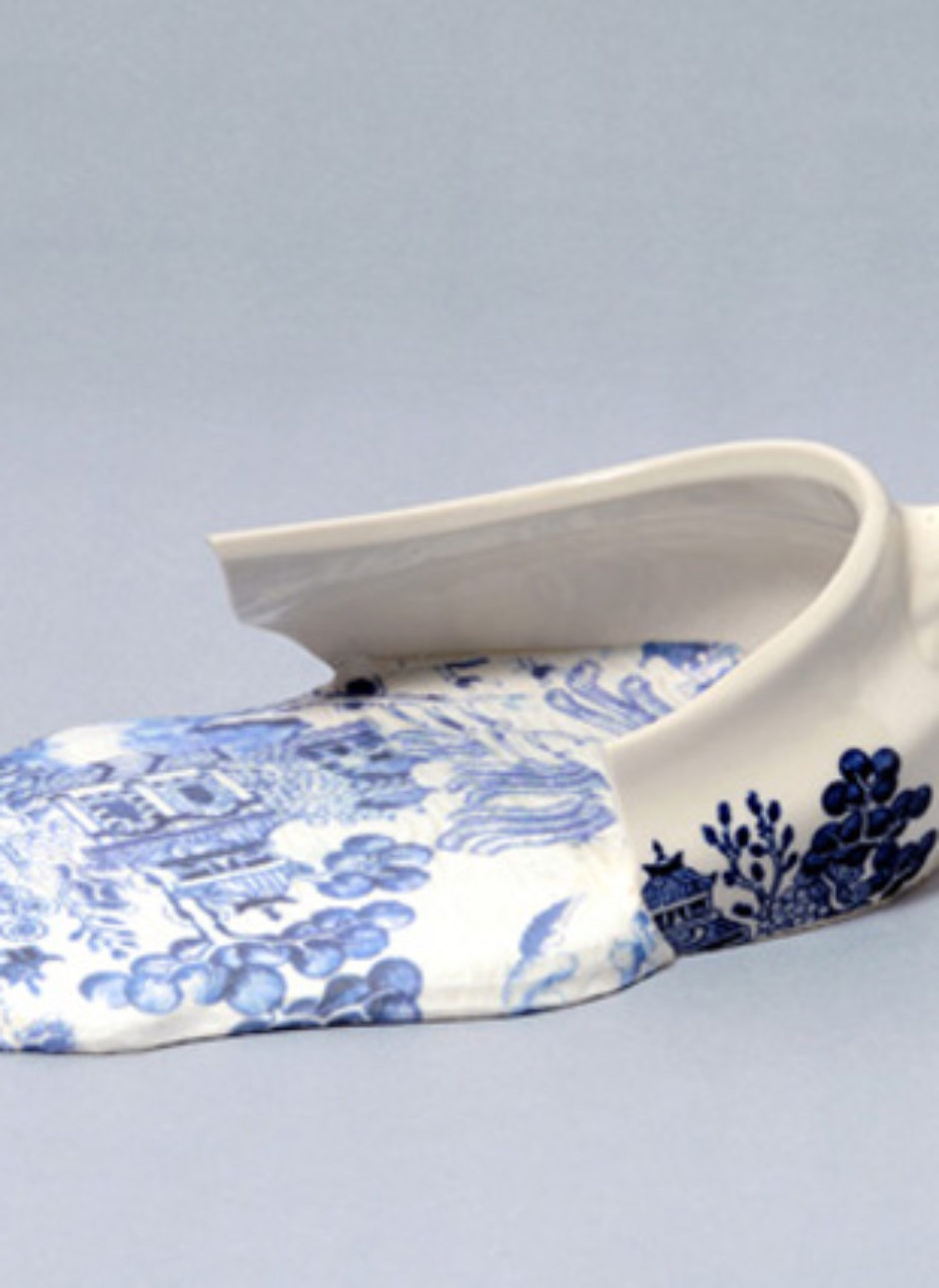
Chilean artist Livia Marin’s series “Broken Things” showcases porcelain cups and bowls, cracked and distorted. And though the fractures are meant to represent fatality and loss, the spilling over of pattern and form beautifully represents…
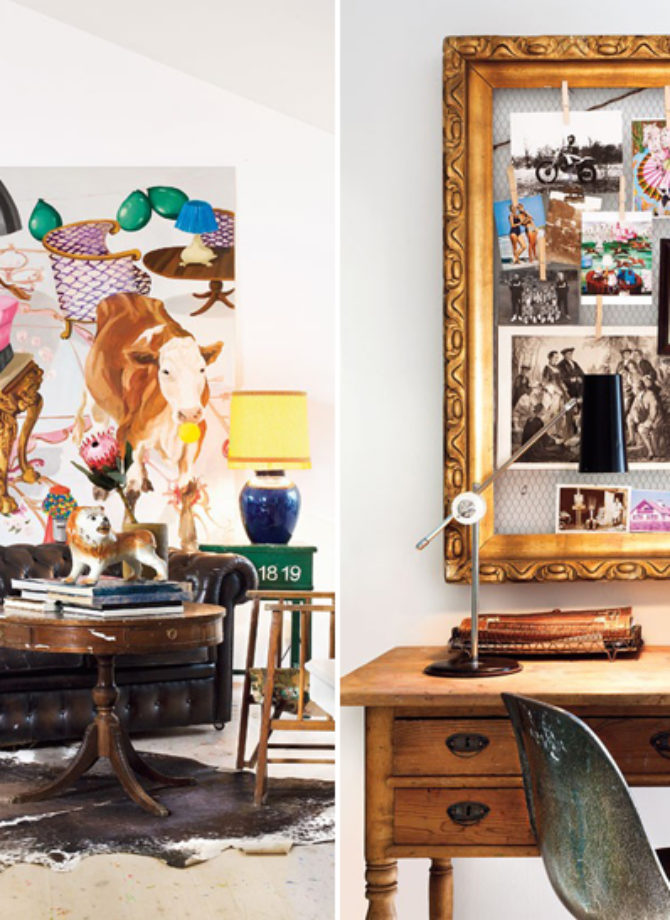
The minute I came across Swedish artist Tove Mauritzson‘s quirky and colorful...
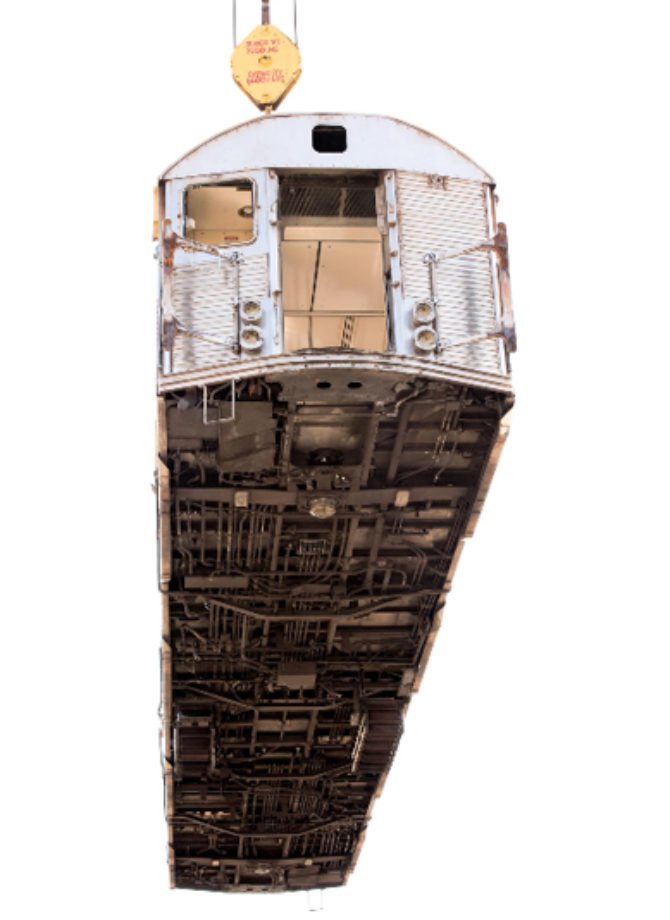
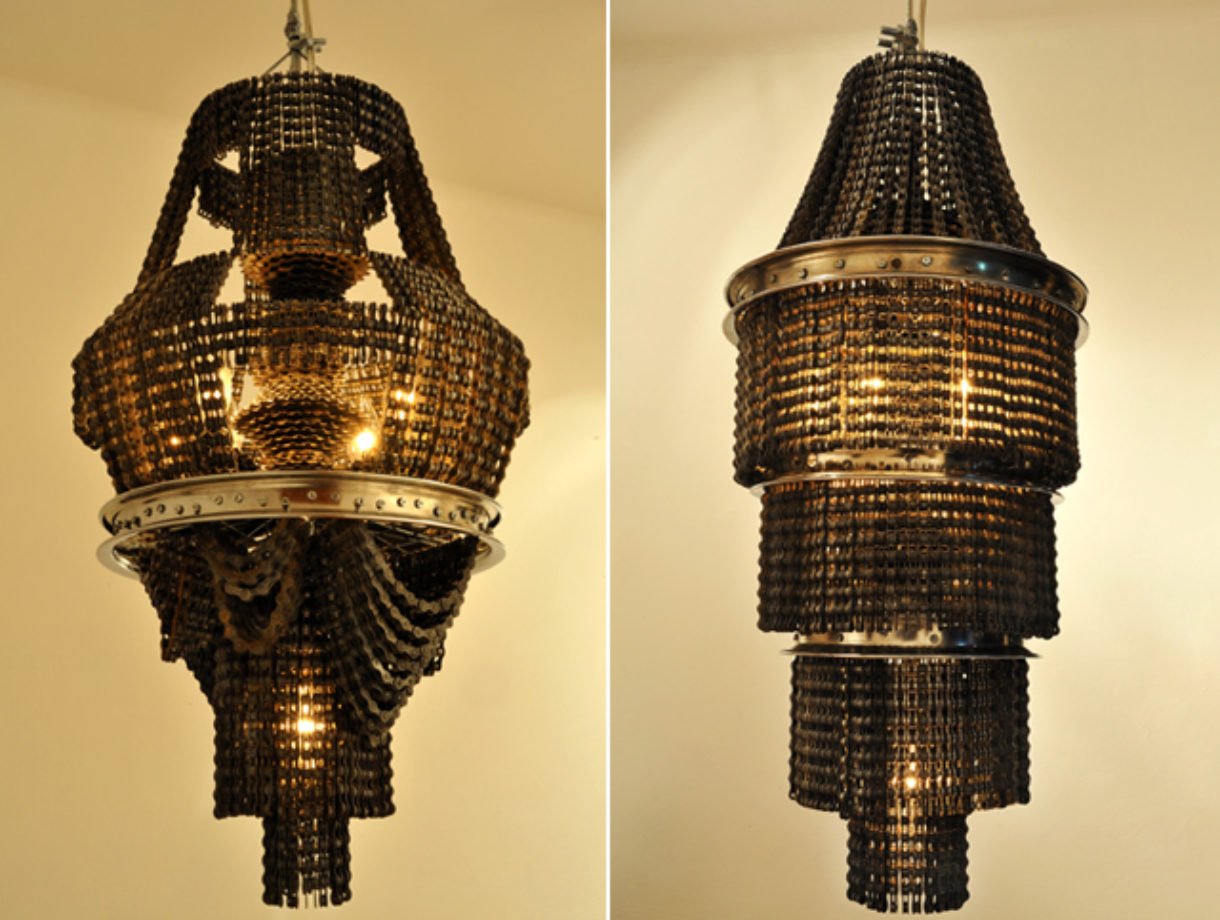
Inspired by Victorian chandeliers and bike culture, artist Carolina Fontoura Alzaga uses old bike chain, rims and spokes to create incredible, one-of-a-kind steampunk chandeliers. I think it goes without saying that I want one. (via…
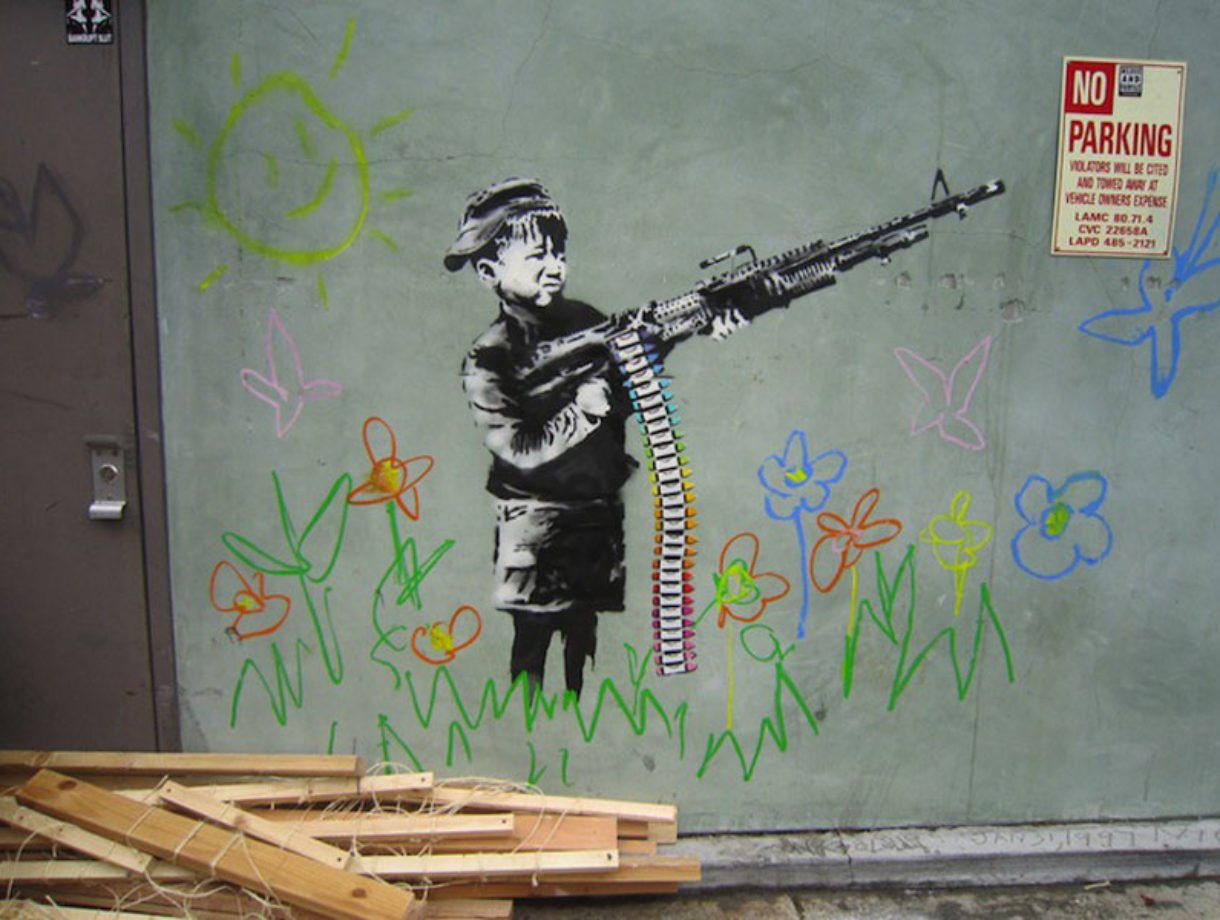
While Banksy was in Los Angeles for his Oscar nominated film, Exit Through The Gift Shop, he beautified our beloved city with some fantastic new pieces. Thanks to maps like these, you can locate and…
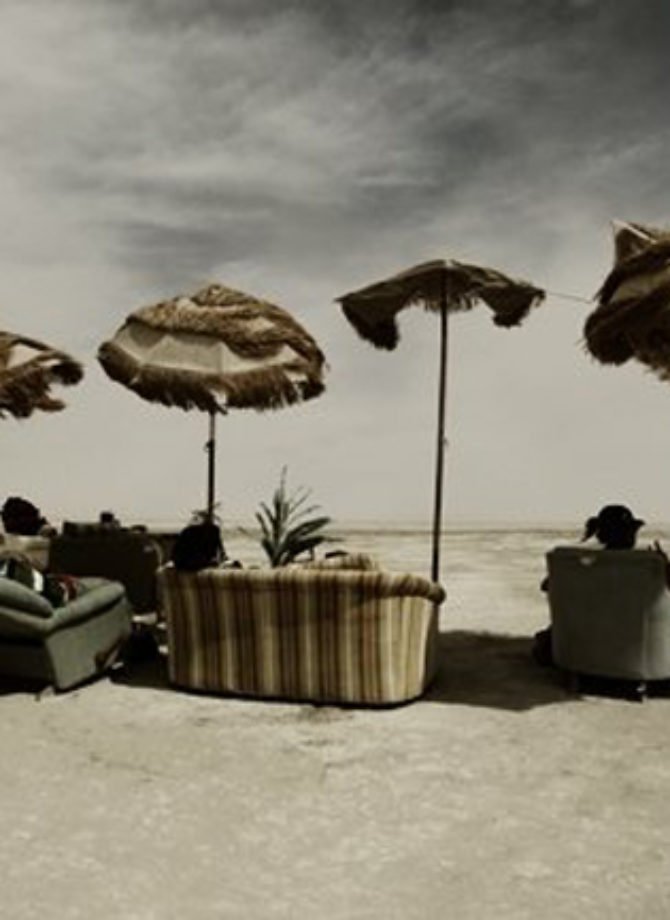
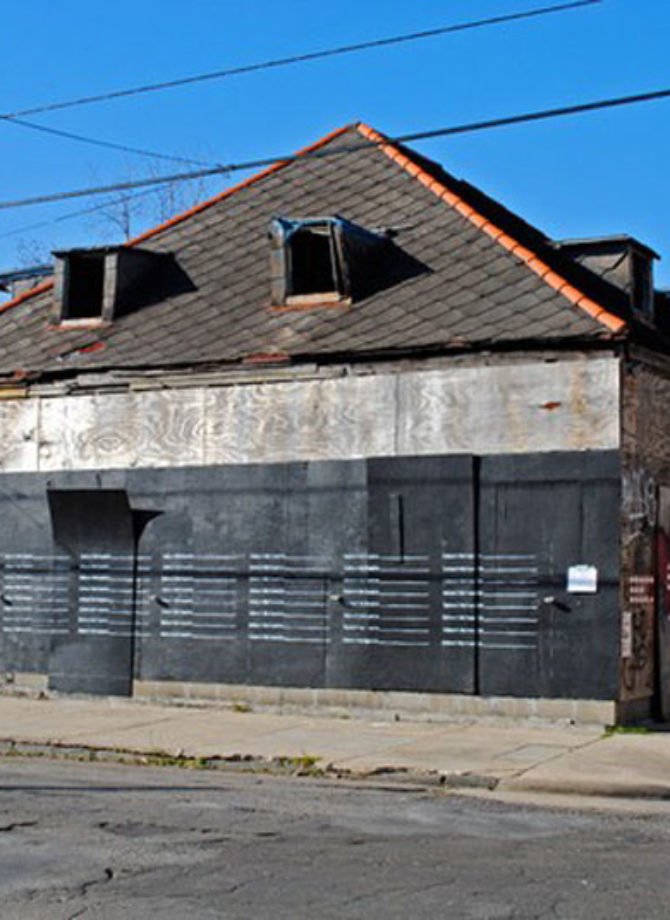
Public installation artist and urban planner Candy Chang converted a wall of...